Honoring the Final Journey: Social Fabrics and Cultural Customaries in India
Wiki Article
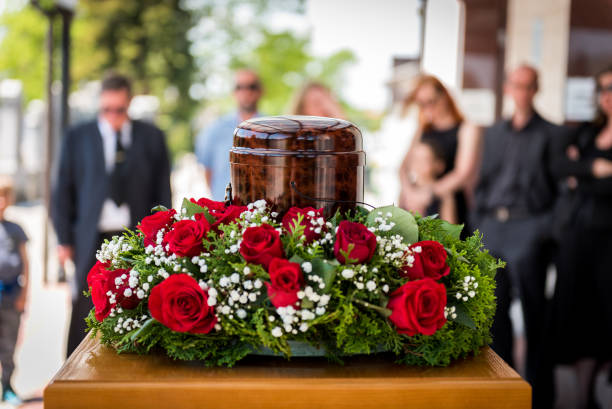
Throughout the rich cultural regions of India, traditions associated with honoring an individual's passing stand as a timeless testament to community devotion. In every corner of the subcontinent, the traditions associated with honoring an individual's earthly chapter combine artistic beauty, historical reverence, and communal harmony. Moving beyond individual grief, these customs serve as a vital cultural bridge, uniting relatives, honoring elders, and passing down timeless values. Dead Body Transportation in Delhi Families across India handle these dignified moments with a unique blend of communal togetherness and structured ritualism. Whether in quiet country settlements or dense metropolitan districts, the collective gathering of relatives, neighbors, and friends serves as the primary pillar of support. This social tradition provides a supportive atmosphere through which communities offer mutual support, demonstrate respect for elders, and celebrate the enduring influence of a person's life legacy. The initial hours of the ceremonial gathering are characterized by meticulous cultural preparation. Loved ones lovingly execute time-honored home traditions preserved within family lines. The individual is adorned in clean, elegant garments representing local artistic styles. Simple white clothing remains the classic preference, reflecting social balance, harmony, and pristine beauty. In other regional communities, traditional textiles featuring intricate patterns or specific cultural colors are selected to celebrate an elder's wisdom and societal contributions. Fresh blossoms and natural garlands form a central element in these preparations. Fresh garlands crafted from bright orange marigolds, sweet-scented jasmine, pristine lotus blossoms, and colorful roses are layered gracefully upon the resting platform. This floral art serves a profound purpose; they highlight the continuous beauty of life and family devotion. The gentle application of aromatic sandalwood paste, natural rosewater, and traditional herbal essences underscores the high level of respect, hygiene, and beauty present in the household. Among the most celebrated social features in regional subcontinental customs is the organized neighborhood procession from the household to the local ceremonial grounds. Known across various regions as a procession of honor, this movement through public space unites the broader neighborhood in mutual support. Fellow villagers and urban neighbors join together outside the domestic residence, wearing simple white traditional attire to demonstrate solidarity and visual harmony. The individual is carried upon a gracefully constructed frame made from natural bamboo, adorned with fresh green leaves, traditional woven textiles, and rich floral garlands. As the procession moves through the streets, participants share the responsibility of bearing the weight. Sharing this physical task stands as a powerful symbol of communal respect, symbolizing that no family carries the weight of a farewell alone. In many regions, soft rhythmic beats from local instruments or classic brass arrangements guides the walkers, establishing a solemn and respectful mood that honors the individual's legacy within the public sphere. Rich regional contrasts show up distinctly in the local variations that mark each district's traditional customs. While core values of respect and community remain universal, the outward ceremonial forms adapt uniquely across different climatic, geographic, and cultural zones. Following the primary ceremonial rites, family life shifts into a structured phase of quiet reflection, observed over nearly two weeks. Throughout these days, the family home becomes an open sanctuary for neighbors, extended family lines, and well-wishers who travel from afar to offer condolences and pay their respects. Receiving guests with warmth remains a top priority. Simple, nutritious vegetarian meals are prepared daily in large quantities to serve all guests who arrive to honor the family. This practice of joint dining creates strong emotional bonds, encourages the sharing of fond memories, while guaranteeing that the family receives active help and daily supplies from neighbors. The closing of the formal hosting phase is celebrated with an extended neighborhood meal. Elders speak about the individual's life legacy and community service, preserving family heritage for children and grandchildren. Selfless acts of service—like sponsoring student materials, sharing food with local shelters, or donating textiles—are traditionally performed in honor of the departed, building a lasting legacy of kindness and civic care.
Dignified Preparation and Family Care
Processions of Honor: Community Unity
Element
Material Used
Community Role
Attire
Simple White Cotton Garments
Symbolizes social equality, peace, and community unity.
Carrying Litter
Natural Bamboo and Rattan
Reflects connection to nature and traditional craftsmanship.
Floral Adornments
Marigolds and Jasmine
Represents honor, aesthetic beauty, and respect.
Herbal Preparations
Sandalwood Paste and Rosewater
Ensures sensory grace and natural care.
Regional Expressions of Honor
Hindu Burial Ground Adityanagra Regardless of whether the final rites use natural earthen placement or traditional fire settings, the practice remains deeply rooted in local philosophy of returning the physical form to nature's fundamental components through practices that prioritize environmental respect and cultural grace.
Hospitality, Remembrance, and Social Continuity
Conclusion: An Enduring Legacy of Respect
Dead Body Transportation in Hyderabad The farewell traditions of India present a masterclass of deep-seated hospitality, cultural elegance, and mutual care. By transforming a moment of farewell into a dignified celebration of cultural heritage, these customs prove the enduring value of shared hospitality and tradition. By combining fragrant floral arts, dignified processions, local customs, and charitable giving, communities across India pay magnificent tribute to their elders while fortifying the enduring bonds of the community for generations to come.